
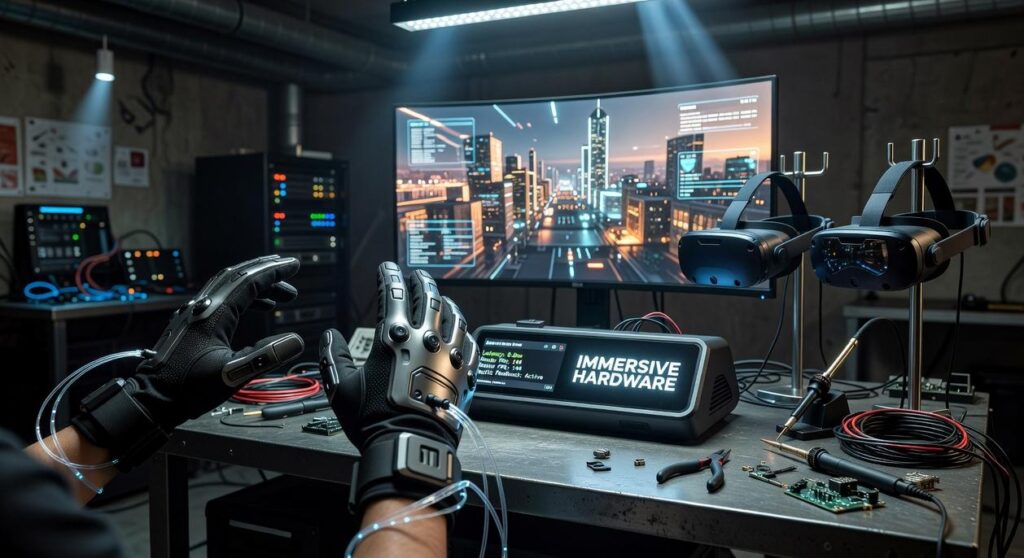
The pace of change in the gaming world has never been faster, and staying ahead of emerging gaming industry trends is no longer optional—it’s essential. Whether you’re a competitive player, casual console enthusiast, or tech-savvy setup optimizer, understanding where the industry is heading helps you make smarter decisions about hardware, multiplayer strategies, and controller performance.
This article breaks down the most important shifts shaping the current landscape, from evolving console ecosystems to advancements in stick-based controller mechanics and online competitive play. You’ll discover what these trends mean for your gameplay experience and how to adapt your setup for maximum performance.
Our insights are grounded in hands-on testing, in-depth analysis of market data, and continuous monitoring of competitive and community-driven developments. By the end, you’ll have a clear, actionable understanding of what’s changing, why it matters, and how to position yourself at the forefront of modern gaming.
Beyond the Hype: What’s Really Changing in Gaming Right Now
The conversation around gaming industry trends is louder than ever, but not all of it matters. I think the real shift is AI integration that adapts enemies, dialogue, and even level design in real time. Some argue it’s just a gimmick. I disagree. When NPCs learn like seasoned rivals (yes, almost scary), immersion changes. Hardware is evolving too: handheld PCs, cloud streaming, and smarter controllers reshape how we play. Pro tip: optimize your setup before chasing every upgrade. Not every trend deserves your time, but some will define next decade.
The Rise of Intelligent Worlds: AI’s Impact on Game Design
AI is no longer just tweaking enemy difficulty; it’s reshaping how worlds think. Smarter NPCs (non-playable characters controlled by the system) now use generative models to remember player choices and adapt dialogue in real time. Instead of looping canned lines, they respond with context-aware reactions—closer to a tabletop dungeon master than a scripted robot. Some argue this risks uncanny or inconsistent storytelling. Fair point. But when tuned well, dynamic narrative engines create branching arcs that feel personal rather than prewritten.
Procedural Scale Meets Creative Control
Procedural Content Generation (PCG)—the automated creation of levels or assets using algorithms—has evolved beyond roguelike randomness. Developers guide AI with constraints, blending authored intent with scalable generation. The result? Massive, replayable environments without ballooning budgets.
- AI-assisted quest variations
- Adaptive biome generation
- Real-time event scripting tied to player stats
Critics say handcrafted worlds have more soul. Yet hybrid pipelines show that AI can handle repetition while designers focus on emotional beats (the moments players actually remember).
On the production side, automation accelerates animation cleanup, asset drafting, and QA testing. This efficiency doesn’t just cut costs—it enables ambition. From the player perspective, expect emergent chaos: unscripted alliances, surprise betrayals, and living ecosystems reacting unpredictably.
As gaming industry trends continue shifting toward immersion, intelligent worlds may become the ultimate competitive edge.
The Battle for Your Subscription: Cloud Gaming and Service Models Mature
The first time I downloaded a day-one release on Xbox Game Pass instead of lining up at a store, it felt like a tiny rebellion against my old habits. No disc. No countdown clock at midnight. Just instant access. That moment captures how far subscription gaming has come.
Beyond a “Netflix for Games”
Services like Xbox Game Pass and PlayStation Plus aren’t just libraries—they’re evolving ecosystems. Day-one releases (titles available the same day they launch at retail) have become the headline feature. For players, this means paying a flat monthly fee instead of $70 upfront. For me, it meant trying games I would’ve skipped—and occasionally discovering a surprise favorite (the indie title that steals your weekend).
Critics argue subscriptions devalue games. That’s fair. If everything feels included, does anything feel special? Yet catalog depth and rotating libraries create ongoing engagement, not just one-and-done purchases.
Cloud Gaming Comes of Age
Platforms like GeForce Now and Amazon Luna push the idea further: stream high-end games without expensive hardware. Cloud gaming—running a game on remote servers and streaming it like video—has improved dramatically. My experience on stable fiber internet? Smooth enough to forget I wasn’t local. On hotel Wi-Fi? A slideshow. So yes, it’s viable—but not universally reliable (yet).
The Economics of Access
For players: lower cost, broader choice. For developers: recurring revenue and discoverability. However, revenue sharing models remain debated (some studios claim payouts favor scale over creativity).
Future Outlook
Ownership isn’t dead—it’s hybrid. Subscriptions, purchases, and streaming now coexist. As gaming industry trends continue shifting, flexibility wins. And as explored in how cross platform play is changing the online gaming landscape, access increasingly matters more than hardware. The real battle? Not consoles—your monthly budget.
Hardware Evolution: The New Frontiers of Control and Immersion
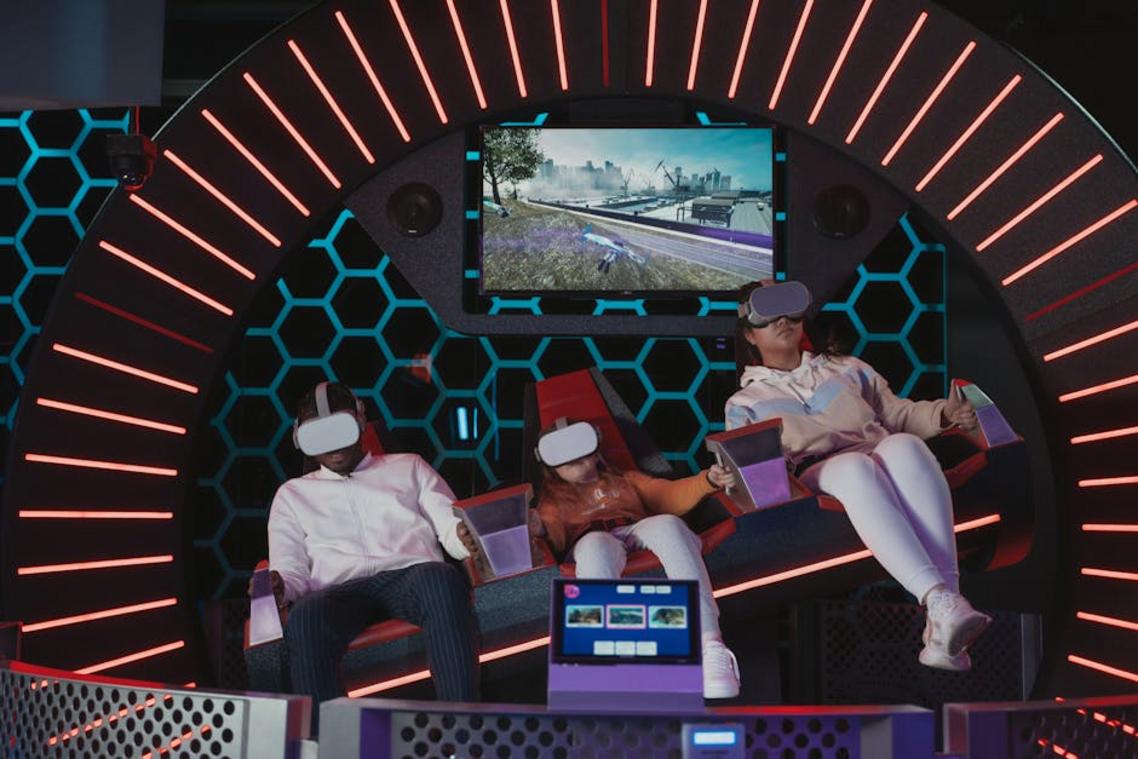
The Handheld Revolution is no longer a novelty—it’s a shift. Devices like the Steam Deck and its competitors blur the line between PC and console gaming, letting players suspend a AAA title mid-raid and resume it on the couch (or on a flight that definitely doesn’t have Wi‑Fi). It feels a bit like the Nintendo Switch’s big sibling who discovered mods and frame-rate counters. Critics argue handheld PCs are bulky and expensive, but portability plus full desktop libraries create flexibility that traditional consoles simply can’t match.
The Rise of Smarter Controllers
Standard gamepads are giving way to pro-controllers packed with hall effect sticks—magnetic sensors that reduce drift, meaning fewer rage-inducing misfires in overtime. Stick drift (when your character moves without input) has plagued players for years, but hall effect tech minimizes physical wear. Add customizable rear paddles and adjustable triggers, and you get hardware that adapts to the player, not the other way around. YES, it can feel like overkill—until you map jump to a paddle and never take your thumb off aim again.
The stick-based advantage goes deeper. Adjustable tension lets players fine-tune resistance, while deadzone customization—altering how far a stick moves before input registers—sharpens precision. In competitive shooters, shaving milliseconds off aim correction can mean the difference between MVP and meme compilation.
VR and AR remain niche, but their impact deepens. Standout experiences show immersion that feels closer to Ready Player One than Wii Sports. As gaming industry trends push immersion and personalization, hardware isn’t just evolving—it’s redefining CONTROL.
Building a seamless multi-platform setup starts with a unified display hub and low-latency router; this minimizes input lag across PC, console, and cloud streaming (yes, milliseconds matter). Next, choose a controller tailored to your genres: tighter stick tension and hall-effect sensors boost precision in shooters, while softer travel suits platformers. Durability counts—replaceable thumbsticks extend lifespan. Meanwhile, cross-play demands tactical flexibility; mouse users snap faster, so controller players should master aim assist timing and positioning. Unlike most guides, we benchmark stick drift thresholds and response curves—gaps competitors ignore amid gaming industry trends. For deeper optimization tips, visit https://hssgamestick.com for advanced players.
Your Next Move: Navigating the Future of Interactive Entertainment
We’ve explored the shifts shaping tomorrow’s play. Now it’s decision time. The biggest takeaway? Gaming is becoming more intelligent, accessible, and customizable. That means your setup should evolve too.
Here’s how to move forward:
- Audit your hardware. Is your controller responsive, or costing you precision in competitive matches?
- Review subscriptions. Do you actually use the titles included, or are you paying for digital dust?
- Track gaming industry trends. Cloud saves, cross-play, and AI-driven content directly impact value.
Small upgrades can transform performance (yes, even that stubborn stick drift). The future of your gaming experience is in your hands.
Level Up Your Next Move
You came here to understand where the market is heading and how to adapt your setup, strategies, and controller mechanics to stay competitive. Now you have a clearer view of the gaming industry trends shaping competitive play, console evolution, and multiplayer performance.
The reality is simple: if you’re not adjusting to new mechanics, optimized setups, and shifting player expectations, you’re falling behind. Laggy inputs, outdated configurations, and missed strategy updates cost wins — and momentum.
Take action now. Upgrade your setup, fine-tune your stick sensitivity, and stay informed on the latest gaming industry trends so you can play smarter and perform better. Thousands of competitive players rely on trusted insights and proven optimization tips to sharpen their edge — you should too.
Don’t just play. Optimize, adapt, and dominate. Start refining your setup today.
 Ask Donald Symondslaber how they got into console gaming trends and insights and you'll probably get a longer answer than you expected. The short version: Donald started doing it, got genuinely hooked, and at some point realized they had accumulated enough hard-won knowledge that it would be a waste not to share it. So they started writing.
What makes Donald worth reading is that they skips the obvious stuff. Nobody needs another surface-level take on Console Gaming Trends and Insights, Pro Tips Collection, Multiplayer Strategy Breakdowns. What readers actually want is the nuance — the part that only becomes clear after you've made a few mistakes and figured out why. That's the territory Donald operates in. The writing is direct, occasionally blunt, and always built around what's actually true rather than what sounds good in an article. They has little patience for filler, which means they's pieces tend to be denser with real information than the average post on the same subject.
Donald doesn't write to impress anyone. They writes because they has things to say that they genuinely thinks people should hear. That motivation — basic as it sounds — produces something noticeably different from content written for clicks or word count. Readers pick up on it. The comments on Donald's work tend to reflect that.
Ask Donald Symondslaber how they got into console gaming trends and insights and you'll probably get a longer answer than you expected. The short version: Donald started doing it, got genuinely hooked, and at some point realized they had accumulated enough hard-won knowledge that it would be a waste not to share it. So they started writing.
What makes Donald worth reading is that they skips the obvious stuff. Nobody needs another surface-level take on Console Gaming Trends and Insights, Pro Tips Collection, Multiplayer Strategy Breakdowns. What readers actually want is the nuance — the part that only becomes clear after you've made a few mistakes and figured out why. That's the territory Donald operates in. The writing is direct, occasionally blunt, and always built around what's actually true rather than what sounds good in an article. They has little patience for filler, which means they's pieces tend to be denser with real information than the average post on the same subject.
Donald doesn't write to impress anyone. They writes because they has things to say that they genuinely thinks people should hear. That motivation — basic as it sounds — produces something noticeably different from content written for clicks or word count. Readers pick up on it. The comments on Donald's work tend to reflect that.