Gaming is evolving faster than ever, and if you’re searching for clarity on the latest console trends and performance upgrades, you’re in the right place. With constant updates in hardware, controller mechanics, multiplayer systems, and next-gen console features, it can be tough to separate real innovation from marketing hype. This article is designed to break down what actually matters—whether you’re upgrading your setup, refining your multiplayer strategy, or optimizing your stick-based controller performance.
We analyze current console developments, competitive gameplay mechanics, and hands-on optimization techniques to give you practical, experience-backed insights. Instead of vague predictions, you’ll get clear explanations of what’s changing, how it impacts gameplay, and what you can do to stay ahead.
By the end, you’ll understand the most important console advancements, how they influence performance, and how to fine-tune your setup for smoother, more responsive gaming.
Under the Hood: Processing Power, Graphics, and Speed
Let’s start with raw muscle. Modern consoles push 10–12 teraflops (a teraflop = one trillion floating-point calculations per second) and clock speeds above 3.5 GHz. In plain English? More stable framerates, richer physics, and fewer “why did that texture just pop in?” moments. Some argue teraflops are just marketing math—and they’re partly right. Architecture and optimization matter. Still, higher compute power generally translates to smoother gameplay when developers use it well.
Then there’s the SSD revolution. NVMe SSDs (Non-Volatile Memory Express solid-state drives) drastically reduce load times and enable seamless asset streaming—meaning worlds render as you move, not after a loading screen. Features like Quick Resume let you jump between games in seconds. If you value convenience, prioritize storage speed over marginal GPU differences. Pro tip: expandable SSD support can future-proof your setup.
Resolution and framerate also deserve clarity:
- 4K targets sharper image quality.
- 120Hz support enables up to 120 frames per second (FPS) for ultra-smooth motion.
- Dynamic resolution scaling lowers resolution temporarily to maintain performance.
Some players insist 30 FPS is “cinematic.” Maybe—but once you experience 60 or 120 FPS, it’s hard to go back (like switching from streaming HD to standard definition).
Ray tracing simulates realistic light behavior—accurate reflections, natural shadows, and lifelike global illumination. It’s demanding, but visually transformative.
If you’re weighing specs alongside ownership models, read digital vs physical games where console gaming is headed.
Bottom line: prioritize SSD speed, consistent 60 FPS, and balanced next-gen console features over spec-sheet bragging rights.
The Controller Is Your Connection: Haptics, Triggers, and Stick Mechanics
A controller isn’t just plastic and buttons—it’s your physical link to a digital world. And increasingly, that link is smarter.
Beyond Rumble
Traditional “rumble” used simple vibration motors. Advanced haptic feedback (fine-tuned vibration that mimics specific sensations) goes further. Instead of a generic buzz, you might feel distinct raindrops patter across your character’s jacket or the subtle grind of tires slipping on gravel. Think of it like upgrading from a flip phone vibration to a surround-sound system for your hands. Some players argue it’s just a gimmick. However, when done well, haptics provide gameplay cues—like sensing enemy footsteps before you see them (a small edge, but edges win matches).
Adaptive Triggers
Adaptive triggers add variable resistance to shoulder buttons. In practice, that means a bowstring tightens as you pull, or a brake pedal stiffens in a racing sim. This isn’t cosmetic; resistance trains muscle memory. Still, critics say it can cause fatigue in shooters. Fair point. Fortunately, most next-gen console features let you customize or disable resistance entirely.
Analog Stick Precision
Stick dead zones (the area where movement isn’t registered) and tension directly impact accuracy. Competitive FPS players often reduce dead zones for quicker response, while racing fans prefer smoother resistance. If you’re unsure where to start, try incremental adjustments using a trusted setup guide like this one: https://hssgamestick.com/controller-setup (pro tip: change one setting at a time).
Battery Life & Ergonomics
Finally, comfort matters. Heavier controllers can feel premium but strain wrists during long sessions. Meanwhile, built-in rechargeable batteries are convenient, yet swappable packs keep you playing without downtime. Choose based on your habits—not hype.
Ecosystems and Exclusives: Where You’ll Play
First, let’s talk exclusives. First-party studios (developers owned by the console manufacturer) are the crown jewels of any platform. Sony leans heavily on cinematic blockbusters, while Microsoft bets on sprawling RPGs and multiplayer universes. Some argue exclusives are overrated because most big titles go multi-platform anyway. Fair point. However, when a must-play sequel drops only on one system, hardware loyalty suddenly feels very real (just ask anyone who bought a console for one game).
Meanwhile, subscription services reshape the value equation. Game Pass offers day-one releases, meaning new titles launch into the library immediately. PlayStation Plus counters with a deep catalog and premium classics access. If you value instant access to new releases, one service clearly edges ahead. If curated legacy titles matter more, the other makes a strong case. Cloud gaming, part of many next-gen console features, adds flexibility—though performance can hinge on your internet speed (no one likes lag at the boss fight).
Backward compatibility is another quiet differentiator. Both platforms enhance older titles with performance boosts, but the implementation varies in consistency and availability.
Finally, digital storefronts differ in discovery tools, wishlists, and community integration. Navigation flow, recommendation algorithms, and user reviews subtly influence what you actually end up playing.
Optimizing Your Setup: Ports, Audio, and Connectivity
First, let’s talk HDMI 2.1. Console A with HDMI 2.1 unlocks 4K at 120Hz and Variable Refresh Rate (VRR)—meaning smoother motion and reduced screen tearing. Console B without it? You’re capped at lower refresh rates, which competitive players will notice (especially in fast shooters). Some argue 60Hz is “good enough.” Fair—but once you experience 120Hz, going back feels like watching an action movie with missing frames.
Next, 3D audio. One system uses proprietary spatial processing tied to its headset ecosystem; the other supports broader surround standards. In multiplayer, accurate positional cues—like footsteps behind you—improve situational awareness. Think less guesswork, more Spider-Sense.
Storage is another fork in the road. Proprietary expansion drives are seamless but pricier. Third-party NVMe options cost less yet require compatibility checks (pro tip: confirm speed ratings match manufacturer specs).
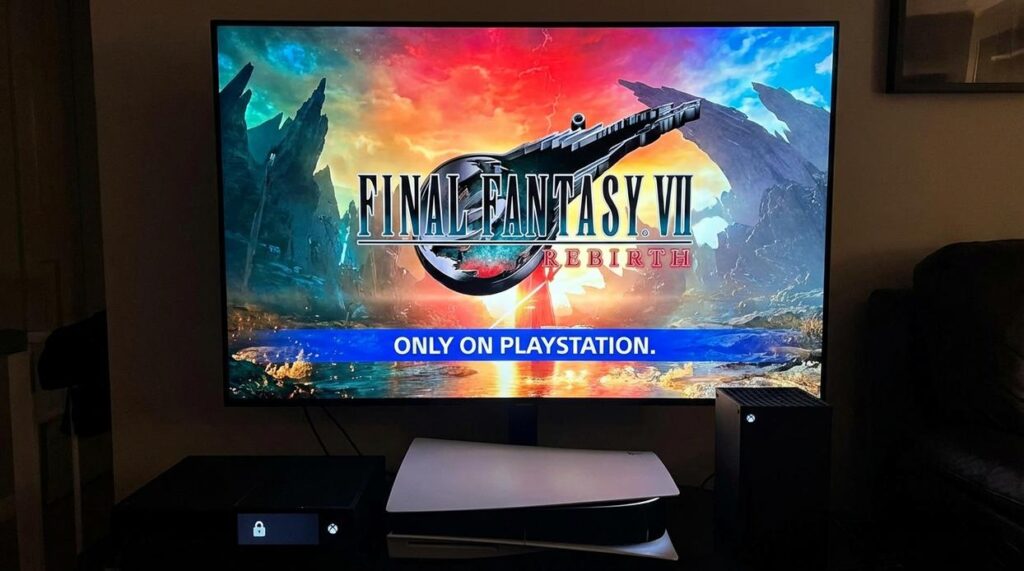
Finally, consider physical footprint. One console stands tall and bold; the other fits horizontally with minimal fuss—important when planning around next-gen console features in tight spaces.
Level Up Your Setup Today
You came here to understand how to get more out of your gaming experience—from smarter multiplayer strategies to optimizing your stick-based controller mechanics and unlocking the full potential of next-gen console features. Now you have the insights to fine-tune your setup, sharpen your skills, and stay ahead of the competition.
The frustration of lag, unresponsive controls, and underperforming hardware can ruin even the best titles. But with the right configuration and a deeper understanding of your console’s capabilities, those pain points turn into advantages.
Now it’s time to act. Upgrade your setup, apply these optimization tips, and start dominating your matches. Join thousands of passionate gamers who rely on our proven strategies to gain a competitive edge. Don’t settle for average performance—optimize today and experience gaming the way it was meant to be played.