
If you’re looking to level up your gameplay, stay ahead of console trends, and fine-tune your setup for peak performance, you’re in the right place. Modern gaming moves fast—new mechanics, evolving multiplayer metas, and constant hardware updates can make it hard to keep up. This article is designed to cut through the noise and give you clear, practical insights you can actually use.
We break down current gaming trends, explore stick-based controller mechanics, and share setup optimization tips that improve responsiveness and control. Whether you’re refining your aim, mastering movement, or building better gaming consistency habits, the focus here is simple: helping you play smarter and more effectively.
Our guidance is built on hands-on testing, deep analysis of gameplay systems, and close observation of competitive and casual gaming environments alike. By the end, you’ll have actionable strategies to sharpen your skills, optimize your setup, and approach every session with greater confidence and consistency.
Beyond Raw Talent: Forging Elite Gaming Habits
I used to blame lag, teammates, even my controller. Then I tracked my sessions for 30 days and saw the truth: my practice was random. Raw talent sparked highlights, but structure built wins.
Here’s the shift:
- Warm up with intent (10 minutes of aim drills, no shortcuts)
- Review one loss daily and note a single mistake
- Adjust sensitivity only after 20 matches, not two bad rounds
These gaming consistency habits turned streaky nights into steady rank climbs. Talent opens the door; routine keeps you in the lobby. Consistency beats motivation every time. Period.
The Pro Mindset: Why Consistency Crushes Talent
First, define the shift. “Just playing” means logging hours and hoping skill follows. Deliberate practice, by contrast, is structured improvement—isolating weak mechanics, repeating scenarios, and tracking progress. Research from psychologist K. Anders Ericsson shows focused practice drives elite performance more than raw talent alone (Harvard Business Review). In other words, talent might start the race, but discipline wins it.
Next, consider habits. Strong routines build muscle memory (your brain encoding repeated movements until they’re automatic), reduce decision fatigue, and automate complex inputs—especially with stick sensitivity tuning and mapped controls. That’s why gaming consistency habits matter: they turn clutch plays into repeatable outcomes.
Equally important, a pre-game routine stabilizes your mindset. Breathing drills, warm-up matches, even controller checks minimize tilt and performance anxiety (think less “button-mash panic,” more tournament composure).
Ultimately, consistency isn’t a chore. It’s an investment—small daily reps compounding into long-term mastery, one match at a time.
The Pre-Match Warm-Up: Priming Your Mind and Thumbs
A great match doesn’t start at the countdown—it starts before you queue. Think of this as your pre-game ritual (yes, even esports pros have one).
Physical Warm-Up (5 Minutes)
Your hands are your tools. A quick routine prevents strain and improves dexterity (your ability to move fingers quickly and accurately).
- Wrist rolls: 10 slow circles each direction
- Finger extensions: Spread fingers wide, hold 5 seconds
- Thumb pulls: Gently pull thumb back to stretch the base joint
Some players skip this, arguing “it’s just a game.” But repetitive thumb motion is still repetitive motion. Even pianists warm up—why wouldn’t you?
Mechanical Warm-Up (10 Minutes)
This is where you refine stick control in a low-stress space.
- Aim Trainer Drills: Practice tracking (following a moving target), flicking (quick snap to target), and target switching. Use a firing range or custom lobby.
- Movement Drills: Rehearse slide-canceling, strafing (side-to-side movement while shooting), or character-specific mechanics.
Clarity matters: you’re not playing to win here—you’re calibrating input and response.
Mental Warm-Up (5 Minutes)
Choose one focus like “improve crosshair placement.” Simple. Specific. Measurable.
Consistency beats hype. That’s why gaming consistency habits in the section once exactly as it is given works—routine sharpens performance before pressure hits.
Deliberate Practice: Isolating and Mastering Core Mechanics
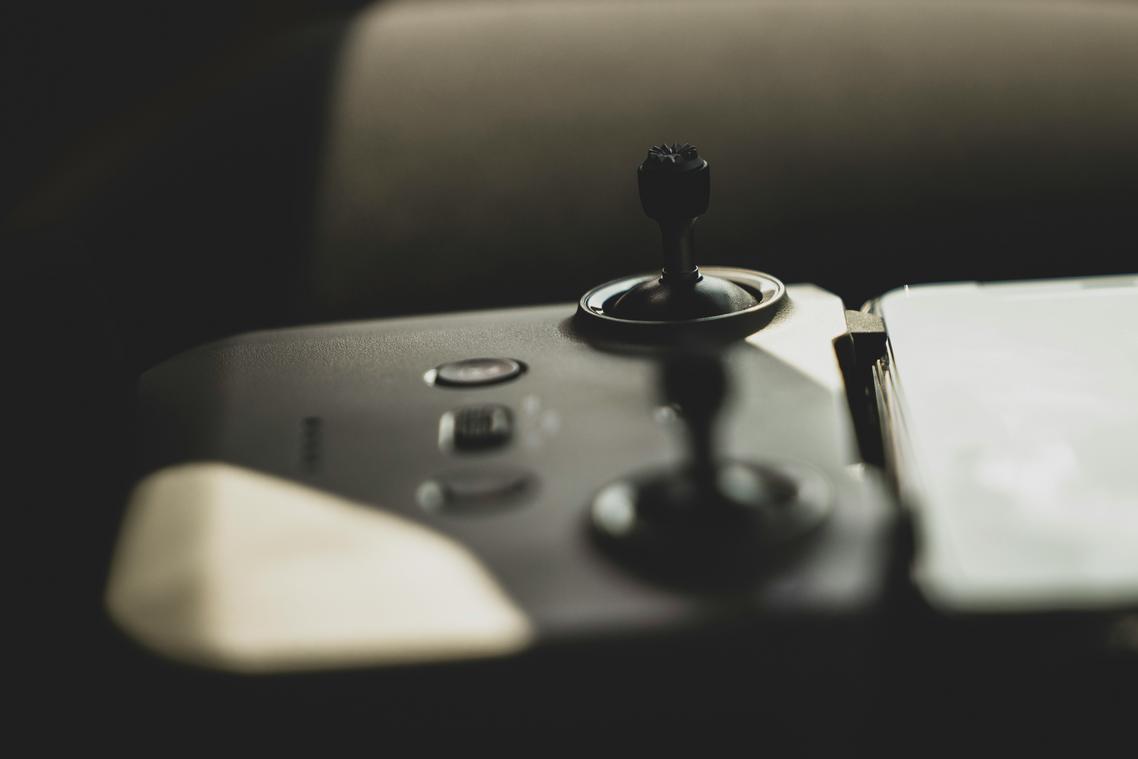
If you want to improve faster, stop “just playing” and start practicing with intent. Deliberate practice means focusing on one clearly defined skill at a time instead of grinding full matches and hoping things click.
Identify Your Weakness
Start each session by choosing one specific weakness. Not “I need better aim,” but “my recoil control falls apart after five bullets.” Or “I lose track of enemy flanks because of poor map awareness.”
Review recent gameplay clips and look for repeat mistakes. Are you over-correcting your stick? Burning abilities too early? Pick one issue per session. (Trying to fix everything at once is like button-mashing in a fighting game—it feels busy, but nothing improves.)
Isolate the Skill
Use custom lobbies, training ranges, or bot matches to remove pressure. If you’re working on recoil control, fire full magazines at a wall and study the spray pattern. If it’s ability timing, recreate common engagement scenarios and rehearse your response.
This is where gaming consistency habits matter: same warm-up time, same drill order, same duration.
Example Drill Block (Aiming)
- Micro-adjustments: Track a strafing target and focus on tiny right-stick corrections to stay head-level.
- Target Acquisition: Snap between three spaced targets, prioritizing clean transitions over speed.
Run each drill for 5–10 minutes. Track accuracy percentages to measure progress.
Optimize Your Setup
Fine-tune sensitivity, deadzones (the stick movement required before input registers), and response curve (how input scales). Make small adjustments only, then test inside drills—not ranked matches.
For a structured framework, review these daily practice routines to improve your gaming skills faster.
Pro tip: Change one setting at a time so you know what actually helped.
The Post-Match Debrief: Learning from Every Win and Loss
Improvement doesn’t happen during the match. It happens after.
The Power of VOD Review is simple: record your gameplay and watch it back. A VOD (Video on Demand) review means analyzing a past match instead of relying on memory (which, let’s be honest, is wildly unreliable after a tough loss). You’ll notice positioning mistakes, missed shots, and rushed decisions you never felt in real time.
What to Look For
- Pause at every death.
- Ask: Why did I die here?
- Was it a mechanical error (execution failure) or a decision error (bad choice)?
- What could I have done differently?
Be specific. “I got outplayed” isn’t analysis—it’s avoidance.
Pattern Recognition
Across multiple games, trends appear. Maybe you overextend when ahead. Maybe you reload in unsafe spaces. These patterns hide in the heat of competition.
Take One Note
End each session with one actionable takeaway for your next practice. Small adjustments build gaming consistency habits that win long-term (think Rocky training montage, minus the stairs).
The Cooldown Protocol: Preventing Burnout and Injury
First, treat your physical cooldown like part of the match. Repeat your hand and wrist stretches to reduce stiffness; research in the Journal of Athletic Training shows active recovery can decrease muscle soreness by up to 30%. Meanwhile, step away from the screen for at least 15 minutes. Cognitive studies from the University of Illinois link short breaks to improved focus and reduced mental fatigue.
Stay hydrated—just 2% dehydration can impair performance (American College of Sports Medicine). Skip sugary drinks; crashes hurt reaction time. Finally, prioritize sleep. During deep sleep, motor memory consolidates—critical for gaming consistency habits.
Progress isn’t magic—it’s structure. By now, you’ve seen how a routine, from warm-up (light drills to prime reflexes) to cooldown (review and reset), transforms matches into purposeful reps. Inconsistency stalls skill; disciplined gaming consistency habits build momentum. Start with one step today—maybe a five-minute aim drill—and stack wins from there.
You came here to sharpen your edge, fine-tune your setup, and understand how to stay competitive in today’s fast-moving gaming landscape. Now you know how console trends, multiplayer strategy, controller mechanics, and smart optimization all work together to elevate your performance.
The biggest frustration for most players isn’t lack of talent — it’s inconsistency. Missed inputs. Poor positioning. Unreliable setups. That’s exactly why building strong gaming consistency habits and dialing in your environment makes all the difference between average sessions and dominant ones.
Here’s your move: apply one optimization today. Adjust your stick sensitivity. Refine your multiplayer positioning strategy. Tighten your warm-up routine. Small, consistent improvements compound fast.
Level Up Your Competitive Edge
If you’re serious about winning more matches and eliminating frustrating performance drops, start implementing these strategies now. Thousands of competitive players are already refining their setups and mastering stick control to gain a measurable advantage. Don’t let inconsistent gameplay hold you back — optimize your setup, commit to smarter practice, and take control of every match today.