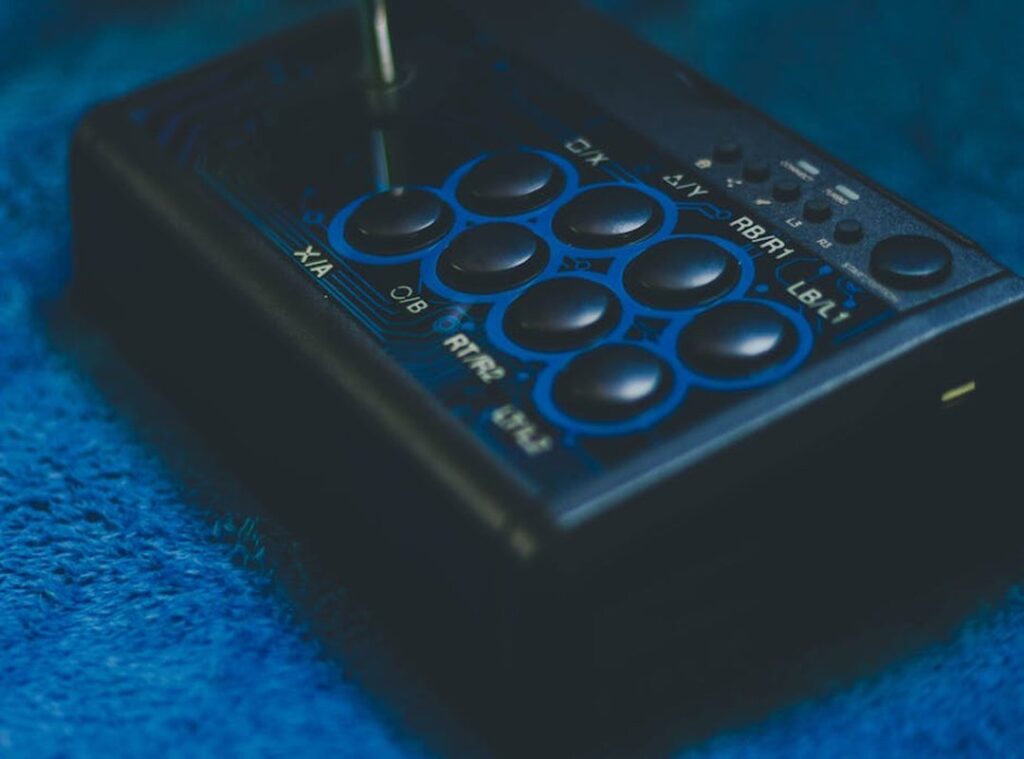

Whether you’re fine-tuning your console setup, mastering stick-based controller mechanics, or looking for smarter multiplayer strategies, you’re here for one reason: to play better and win more consistently. With gaming evolving faster than ever—new hardware updates, shifting meta trends, and increasingly skilled opponents—it’s easy to fall behind without clear, practical guidance.
This article breaks down the latest console trends, performance-boosting setup optimizations, and actionable techniques designed to sharpen your edge. More importantly, we’ll explore how refining your mechanics and decision-making builds a true competitive gaming mindset—the difference between playing casually and competing with purpose.
Our insights are grounded in hands-on testing, analysis of current gaming trends, and deep familiarity with multiplayer environments across platforms. We focus on what actually improves performance—not hype, not gimmicks.
If your goal is smoother gameplay, smarter strategies, and a measurable skill upgrade, you’re in the right place.
Mechanical skill wins highlights, but mentality wins tournaments. Every serious player learns this eventually. You can grind aim drills for hours, master stick tension, and still stall out when pressure spikes. The real ceiling is mental. Frustration, tilt, and drifting focus sabotage progress long before your thumbs do (and yes, we’ve all blamed the controller). This guide sharpens your competitive gaming mindset with practical routines, reset rituals, and pressure simulations. Stronger focus, calmer decision-making, and faster adaptation mean more clutch plays, steadier ranks, and measurable improvement. Build resilience, and you don’t just play better—you enjoy the grind again with confidence.
Mastering your emotions starts with understanding tilt. Tilt isn’t just rage after a bad round; it’s ANY emotional state that pushes you into suboptimal decisions. Frustration, overconfidence, panic, even desperation all qualify. When emotion drives the controller, precision disappears.
Common triggers are predictable: unexpected losses, perceived unfairness, underperforming teammates, and your own mistakes. Miss an easy combo? Get one-shot by lag? Watch a teammate ignore the objective? The spiral begins. But here’s the upside: mastering tilt gives you CONSISTENCY, clearer reads, and more ranked wins.
Actionable Strategy #1: The Mental Reset. Between matches, stand up, take five slow breaths, and focus on a single physical object in the room. Sixty seconds breaks the loop and restores CONTROL.
Actionable Strategy #2: Shift from outcome to process. Instead of obsessing over the final score, aim to win the next engagement or execute one mechanic perfectly. This competitive gaming mindset keeps improvement measurable and confidence stable.
High emotion directly impairs fine motor control, tightening muscles and disrupting analog stick precision. You literally cannot aim cleanly while angry.
| Trigger | Reset Action | Benefit |
|---|---|---|
| Loss streak | 60-second break |
Restored focus |
| Teammate error | Process goal | Sharper mechanics |
Tilt-proof players react less, adapt faster, and climb ranks with steady, repeatable performance. That’s the real WIN.
Stay calm, and every match becomes practice, not proof of your worth. Control emotions, control inputs, control results. The advantage compounds over time, turning discipline into long-term dominance and growth.
From Losses to Lessons: How to Learn from Every Match
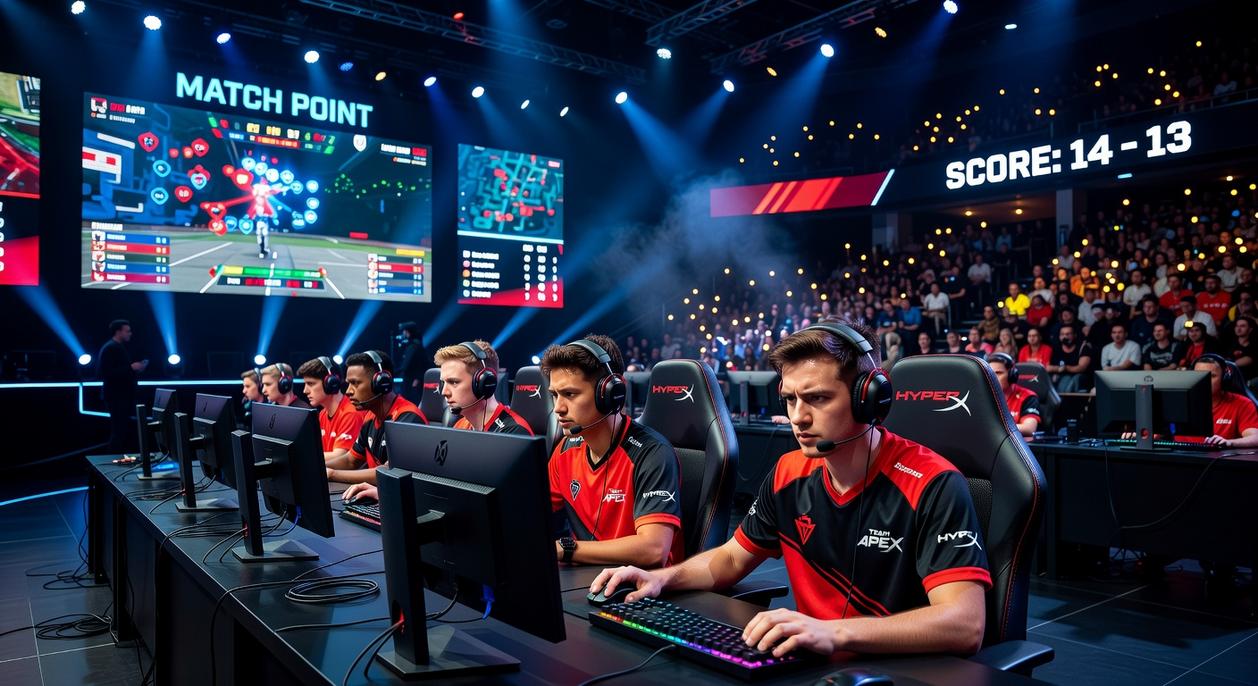
Every player has said it: “I’m just not good enough.” That’s a Fixed Mindset—the belief that skill is static and losses are proof of limitation. A Growth Mindset, by contrast, asks: “What can I learn from that loss to get better?” Same match. Different story. One ends in frustration. The other builds a competitive gaming mindset.
The single most powerful improvement tool? VOD (Video on Demand) review—recorded gameplay you can rewatch to analyze decisions. Think of it as instant replay for your habits. Instead of blaming lag or teammates (we’ve all been there), you gather evidence.
When reviewing your VOD, look for:
• Positioning errors – Were you exposed without cover or map control?
• Resource mismanagement – Did you waste cooldowns, ammo, or economy at low-impact moments?
• Poor decision-making under pressure – Did panic override strategy?
• Missed opportunities – Was there a flank, objective, or punish window you ignored?
Modern consoles now include “record what happened” features by default, lowering the barrier to self-analysis. My prediction? In the next few years, built-in AI tagging of mistakes will become standard (speculation, but the tech is heading there).
To avoid overload, follow the One Thing Rule: improve just one weakness per session. Maybe today it’s positioning. Tomorrow, resource timing. Incremental gains compound.
Pair VOD work with physical prep like warm up drills to boost reaction time before matches to maximize results.
Losses aren’t verdicts. They’re data. Study them, adjust, repeat.
Practice with Purpose: Training Your Brain, Not Just Your Thumbs
Most players think more matches equal more skill. That’s comforting—and mostly wrong. Grinding game after game in “autopilot mode” feels productive, but your brain isn’t adapting. It’s coasting. Deliberate Practice, on the other hand, means training with a specific, measurable goal in mind. (Yes, it’s less glamorous than spamming ranked.)
For example, instead of queuing five matches, spend 20 focused minutes in training mode perfecting one combo or tightening a single aiming drill. Isolate the weakness you spotted in your VOD review and attack it directly. Neuroscience shows targeted repetition builds stronger neural pathways than unfocused repetition (Ericsson, 1993). In short, precision beats volume.
However, mechanics alone aren’t enough. To simulate pressure, warm up in custom games against higher-skilled opponents. It’s uncomfortable—and that’s the point. Stress exposure trains emotional regulation, a core part of any competitive gaming mindset.
Meanwhile, don’t ignore setup optimization. A monitor at eye level and a relaxed controller grip reduce physical strain (OSHA ergonomics guidelines). Small tweaks minimize distractions, freeing mental bandwidth for decision-making.
So yes, play matches. But first, train with intent. Your thumbs execute. Your brain wins.
Your competitive edge isn’t hidden in your reflexes—it’s forged in your head. At the core of lasting performance are three pillars: disciplined emotional control, a structured process for learning from mistakes, and purposeful, goal-oriented practice. Emotional control means recognizing tilt (that spike of frustration after a bad round) and resetting before it snowballs. A learning process means reviewing what happened, identifying one correctable error, and adjusting—rather than blaming lag or teammates. Purposeful practice means training with intent, not just grinding matches (yes, mindless queueing feels productive, but it rarely is).
Right now, you might feel stuck. Your mechanics are solid, your game knowledge is sharp—yet your results swing wildly. That’s the wall where your mental game holds your physical skill hostage. However, this is also where growth begins.
By consistently applying a competitive gaming mindset, you build repeatable performance under pressure. Over time, those small resets and focused adjustments compound into real consistency.
So here’s your move: pick one tool—the “Mental Reset” after every death or the “One Thing” Rule to focus each session—and apply it deliberately in your very next game.
Because improvement isn’t a mechanical sprint. It’s a mental marathon.
In exploring mindset training techniques for competitive gamers, it’s fascinating to consider how these strategies have developed alongside the evolution of online gaming, as highlighted in our article, ‘How Online Gaming Has Evolved Thehakegamer.’
Level Up Your Gameplay With the Right Edge
You came here to sharpen your skills, optimize your setup, and understand how modern gaming trends and controller mechanics can give you a real advantage. Now you have the insights to fine-tune your configuration, adapt your multiplayer strategies, and build a stronger competitive gaming mindset that separates casual play from consistent wins.
The frustration of missed inputs, inconsistent performance, or falling behind in ranked matches doesn’t have to define your experience. With the right stick sensitivity adjustments, smarter positioning strategies, and a setup built for responsiveness, you put yourself back in control.
The next step is simple: apply what you’ve learned. Tweak your settings today, refine your mechanics in live matches, and stay updated on the latest console trends and multiplayer tactics. Thousands of dedicated players trust our guides to stay ahead of the competition—now it’s your turn.
Don’t settle for average gameplay. Upgrade your setup, sharpen your strategy, and start playing at the level you know you’re capable of right now.
 There is a specific skill involved in explaining something clearly — one that is completely separate from actually knowing the subject. Sylvara Ollvain has both. They has spent years working with stick-based game controller mechanics in a hands-on capacity, and an equal amount of time figuring out how to translate that experience into writing that people with different backgrounds can actually absorb and use.
Sylvara tends to approach complex subjects — Stick-Based Game Controller Mechanics, Pro Tips Collection, Console Gaming Trends and Insights being good examples — by starting with what the reader already knows, then building outward from there rather than dropping them in the deep end. It sounds like a small thing. In practice it makes a significant difference in whether someone finishes the article or abandons it halfway through. They is also good at knowing when to stop — a surprisingly underrated skill. Some writers bury useful information under so many caveats and qualifications that the point disappears. Sylvara knows where the point is and gets there without too many detours.
The practical effect of all this is that people who read Sylvara's work tend to come away actually capable of doing something with it. Not just vaguely informed — actually capable. For a writer working in stick-based game controller mechanics, that is probably the best possible outcome, and it's the standard Sylvara holds they's own work to.
There is a specific skill involved in explaining something clearly — one that is completely separate from actually knowing the subject. Sylvara Ollvain has both. They has spent years working with stick-based game controller mechanics in a hands-on capacity, and an equal amount of time figuring out how to translate that experience into writing that people with different backgrounds can actually absorb and use.
Sylvara tends to approach complex subjects — Stick-Based Game Controller Mechanics, Pro Tips Collection, Console Gaming Trends and Insights being good examples — by starting with what the reader already knows, then building outward from there rather than dropping them in the deep end. It sounds like a small thing. In practice it makes a significant difference in whether someone finishes the article or abandons it halfway through. They is also good at knowing when to stop — a surprisingly underrated skill. Some writers bury useful information under so many caveats and qualifications that the point disappears. Sylvara knows where the point is and gets there without too many detours.
The practical effect of all this is that people who read Sylvara's work tend to come away actually capable of doing something with it. Not just vaguely informed — actually capable. For a writer working in stick-based game controller mechanics, that is probably the best possible outcome, and it's the standard Sylvara holds they's own work to.