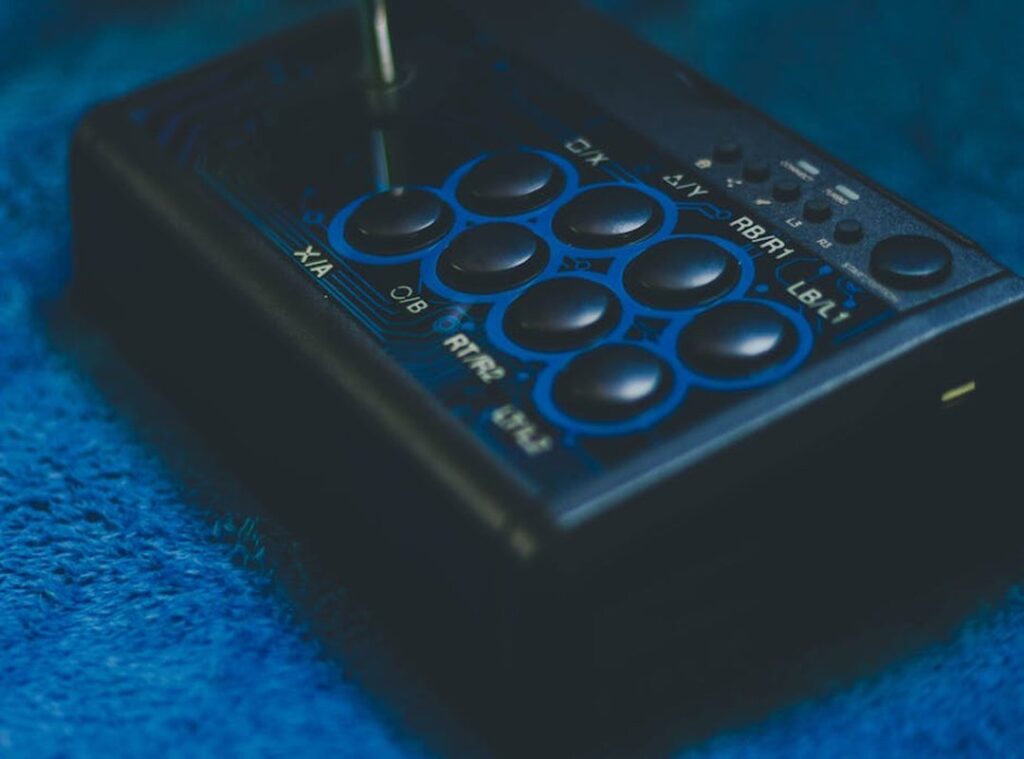

If you’re looking to sharpen your edge in competitive gaming, refine your mechanics, or optimize your setup for smoother performance, you’re in the right place. This article is built specifically for players who want practical, results-driven insights—not vague advice. We break down current console trends, evolving multiplayer strategies, stick-based controller mechanics, and actionable setup optimization tips that directly impact in-game performance.
Many players plateau because they rely on random tips instead of structured gaming practice routines that actually build muscle memory and decision-making speed. Here, you’ll learn how to train smarter, adjust your configuration for precision, and apply proven multiplayer tactics that translate into real wins.
Our insights are grounded in hands-on testing, deep analysis of gameplay mechanics, and ongoing evaluation of competitive trends across platforms. Whether you’re casual or competitive, this guide is designed to help you play more consistently, react faster, and get more out of every session.
Break the Plateau with Precision
Grinding matches alone won’t fix inconsistency. You need deliberate, controller-specific training that builds repeatable mechanics. Many guides repeat generic aim advice; few dissect thumbstick tension, deadzone calibration, or micro-adjust timing. That gap is your edge.
Use this framework:
- Isolate mechanics with gaming practice routines focused on flicks, tracking, and recoil control.
- Track performance metrics—accuracy percentage, time-to-elimination, input error rate—after every session.
- Simulate ranked pressure in short, high-intensity blocks to train decision speed.
Some argue talent or better hardware matters more. But mechanics compound, like leveling up a character in an RPG. Master inputs, and wins follow. Consistency becomes your advantage.
The Foundation: Calibrating Your Controller and Environment
Before you blame lag or “bad hit reg,” calibrate your base. Consistency beats raw talent every time.
Dialing in Your Sensitivity
Start in a private match. Pick a wall, strafe left and right, and track a fixed point. If you overshoot, lower sensitivity. If you lag behind, raise it slightly. Test hip-fire first, then fine-tune high-zoom separately—sniper scopes demand lower sensitivity for controlled micro-corrections. Run short gaming practice routines to lock it in.
Understanding Deadzones
A deadzone is the small area your stick can move without registering input. Lower it until stick drift appears—then bump it up one notch. That sweet spot gives sharper micro-adjustments (critical in clutch gunfights).
Setup Optimization
Sit an arm’s length from your monitor. Keep elbows supported. Use a relaxed claw or standard grip—just stay consistent. Pro tip: mark your chair position on the floor so your setup never shifts.
Mastering stick control isn’t about wild thumbs; it’s about disciplined reps inside your favorite arena. Whether you’re grinding ranked in a cramped Brooklyn apartment or running late-night scrims on West Coast servers, consistency wins. Aiming is a mechanical skill, not a mystical talent. Pros in Apex Legends and Call of Duty treat it like going to the gym (no skipped leg day for your thumbs). Dial in your deadzones, check your response curve, and warm up before hopping into competitive playlists. Ignore this, and you’ll blame lag, teammates, or “bad hit reg” instead of your fundamentals.
Drill 1: Target Snapping/Flicking: Using a training mode or aim trainer, practice flicking your crosshair between two static targets. Focus on speed first, then precision. (10 minutes)
Drill 2: Smooth Tracking: Practice keeping your crosshair perfectly centered on a moving target (bots or teammates). Focus on smooth, continuous stick movement, not jerky corrections. (10 minutes)
Drill 3: Recoil Control Patterns: Fire at a wall to learn a weapon’s specific recoil pattern. Practice counter-stick movements to create a tight bullet grouping. This is essential for winning prolonged gunfights.
These drills build the muscle memory you need when the final circle closes or overtime hits on Control. Some players argue real matches are enough practice. They’re wrong. Structured repetition isolates weaknesses matchmaking hides. Track your accuracy stats weekly and tweak sensitivity in small increments. Pro tip: if your aim feels shaky, lower sensitivity slightly before raising it. Precision beats flash every time under tournament pressure situations.
Advanced Techniques: Movement and Positioning Exercises
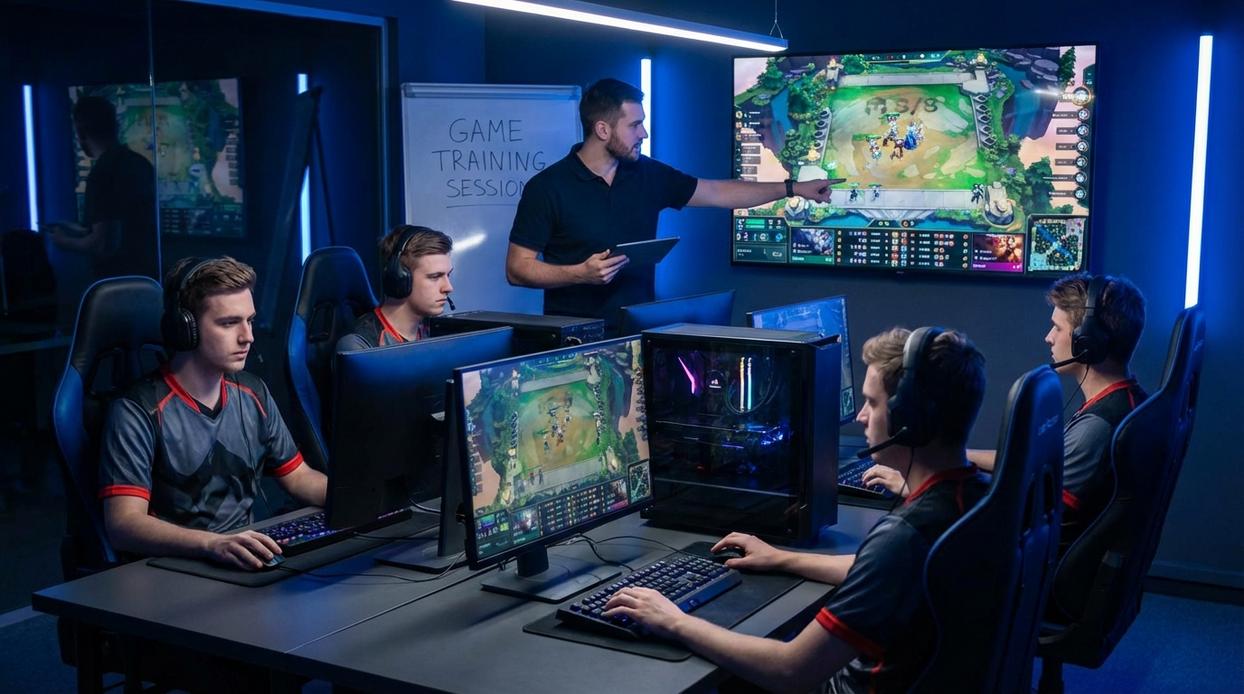
Mechanical skill gets the spotlight, but movement and positioning win fights before bullets land. Think of these drills as long-term investments in map control and survivability—not flashy, but powerful.
Drill 1: Corner Peeking Mastery
Practice “slicing the pie” around corners to expose yourself to one potential enemy position at a time. Contrast this with wide-swinging.
“Slicing the pie” means clearing angles incrementally instead of swinging your full character model into danger. Wide-swinging can overwhelm a single opponent—but it also exposes you to multiple sightlines (and that’s how you get deleted). Some players argue wide swings are better in fast-paced metas. They’re not wrong in close-quarters chaos. But as competitive play evolves, tighter angle discipline is likely to become even more important—especially if future titles continue rewarding precision over spray.
Drill 2: Evasive Movement Patterns
In an empty map, practice combining slides, jumps, and direction changes to become an unpredictable target. Record yourself and analyze your movement predictability.
Unpredictability reduces enemy tracking efficiency. If your strafe rhythm becomes patterned, skilled opponents will pre-aim you. Pro tip: review footage weekly using guides like how to analyze your gameplay footage like a pro.
Drill 3: Positional Awareness
Play a casual match with the sole objective of maintaining the high ground or a power position. Ignore your kill/death ratio and focus only on controlling key map areas.
High ground grants visibility, cover options, and first-shot advantage. Some dismiss it as “too passive.” But speculation: as map design trends favor verticality (we’re already seeing it), positional mastery may soon outweigh raw aim in ranked ladders.
In structured gaming practice routines, these drills compound. Master angles, movement, and map control—and you’ll dictate fights instead of reacting to them.
Sharpening Your Mind: Game Sense and Strategy Exercises
Mechanical skill wins duels. Game sense wins matches. That’s Aim vs Awareness—and the best players train both.
Exercise 1: The ‘Why Did I Die?’ Review: After every death, take 5 seconds to analyze the cause. Was it poor aim, bad positioning, or being outnumbered? Actively identifying the ‘why’ accelerates learning. Reactionary players respawn and repeat mistakes. Reflective players adapt (big difference).
Exercise 2: Mini-Map Discipline: Set a timer to beep every 10 seconds, prompting you to glance at your mini-map. This builds the habit of constant information gathering. Map-aware players rotate early; tunnel-vision players get flanked. A vs B is simple: information beats surprise.
Exercise 3: Predictive Play: Watch a pro player’s stream and pause it frequently. Try to predict their next move and rotation, then see what they actually do. Understand their reasoning. Copying actions is shallow; understanding decisions builds elite instincts.
Treat these like gaming practice routines. Short reps. High focus. Consistent results.
Consistent Training Routine
You now have a complete toolkit for aim, movement, and strategy. Most players grind matches, hoping reps spark improvement. But growth comes from structured gaming practice routines targeting weaknesses. Competitors talk drills; few explain sequencing and controller carryover. Start with precision flicks, transition into movement resets, then finish with decision simulations. This order mirrors match pressure curves. Consistency compounds when each segment primes the next. Pro tip: track accuracy percentages, not just wins. Integrate a focused 15-minute warm-up before your first queue. That discipline separates good from great. Plateaus hate precision daily. Train with intention every session.
Level Up Your Play and Take Control
You came here to figure out how to sharpen your skills, optimize your setup, and gain a real edge in today’s competitive gaming landscape. Now you have the strategies to fine-tune your controller mechanics, improve multiplayer awareness, and build smarter habits that actually translate into wins.
The frustration of inconsistent aim, slow reactions, or losing close matches doesn’t have to continue. With structured gaming practice routines, optimized stick sensitivity, and intentional setup adjustments, you can turn weak spots into competitive strengths.
The next step is simple: put what you’ve learned into action today. Start refining your settings, commit to consistent gaming practice routines, and track your performance improvements week by week.
If you’re serious about dominating your matches instead of barely surviving them, dive deeper into our expert-backed strategies and stay updated with the latest console trends and multiplayer tactics. Join thousands of players who trust our insights to level up faster.
Your setup is ready. Your strategy is sharper. Now it’s time to play like you mean it.
 Ask Donald Symondslaber how they got into console gaming trends and insights and you'll probably get a longer answer than you expected. The short version: Donald started doing it, got genuinely hooked, and at some point realized they had accumulated enough hard-won knowledge that it would be a waste not to share it. So they started writing.
What makes Donald worth reading is that they skips the obvious stuff. Nobody needs another surface-level take on Console Gaming Trends and Insights, Pro Tips Collection, Multiplayer Strategy Breakdowns. What readers actually want is the nuance — the part that only becomes clear after you've made a few mistakes and figured out why. That's the territory Donald operates in. The writing is direct, occasionally blunt, and always built around what's actually true rather than what sounds good in an article. They has little patience for filler, which means they's pieces tend to be denser with real information than the average post on the same subject.
Donald doesn't write to impress anyone. They writes because they has things to say that they genuinely thinks people should hear. That motivation — basic as it sounds — produces something noticeably different from content written for clicks or word count. Readers pick up on it. The comments on Donald's work tend to reflect that.
Ask Donald Symondslaber how they got into console gaming trends and insights and you'll probably get a longer answer than you expected. The short version: Donald started doing it, got genuinely hooked, and at some point realized they had accumulated enough hard-won knowledge that it would be a waste not to share it. So they started writing.
What makes Donald worth reading is that they skips the obvious stuff. Nobody needs another surface-level take on Console Gaming Trends and Insights, Pro Tips Collection, Multiplayer Strategy Breakdowns. What readers actually want is the nuance — the part that only becomes clear after you've made a few mistakes and figured out why. That's the territory Donald operates in. The writing is direct, occasionally blunt, and always built around what's actually true rather than what sounds good in an article. They has little patience for filler, which means they's pieces tend to be denser with real information than the average post on the same subject.
Donald doesn't write to impress anyone. They writes because they has things to say that they genuinely thinks people should hear. That motivation — basic as it sounds — produces something noticeably different from content written for clicks or word count. Readers pick up on it. The comments on Donald's work tend to reflect that.